

Transform your outdoor space into a relaxing green retreat with these 25 best patio garden ideas. Whether you have a small backyard patio, a cozy courtyard, or a spacious outdoor area, there are plenty of creative ways to add greenery and colorful flowers. From vertical gardens and decorative planters to tropical plants and cozy seating areas, these patio garden ideas will help you create a beautiful, welcoming space on any budget.
1. Small Patio Garden

A small patio garden is a wonderful way to transform a limited outdoor space into a beautiful, relaxing green retreat. Even with a compact patio, you can create an attractive garden using potted plants, colorful flowers, and space-saving arrangements. This garden style is perfect for apartments, townhouses, and homes with limited backyard space.
Best Plants for a Small Patio Garden
Choosing compact, easy-to-maintain plants helps create a beautiful patio garden without overcrowding the space.
- Petunias: Colorful flowering plants that brighten sunny patios.
- Lavender: Fragrant flowers that attract bees and butterflies.
- Hostas: Attractive foliage plants suitable for shaded patios.
- Succulents: Low-maintenance plants that thrive in sunny locations.
- Dwarf Boxwood: Compact evergreen shrubs that add structure and greenery.
How to Design a Small Patio Garden
Start by arranging containers along the patio edges to maximize walking space. Use vertical plant stands, hanging baskets, and wall-mounted planters to add greenery without taking up valuable floor space. Choose different plant heights to create visual interest. A small chair, decorative stones, or outdoor lanterns can make the garden feel welcoming.
Small Patio Garden Maintenance Tips
Water plants according to their individual needs and ensure containers have proper drainage. Remove dead leaves and faded flowers regularly to encourage healthy growth. Position plants according to their sunlight requirements and apply suitable fertilizer during the growing season. Keep the arrangement simple to maintain a neat, attractive patio garden throughout the year.
2. Patio Container Garden

A patio container garden is an excellent way to add greenery and colorful flowers to an outdoor space without needing a traditional garden bed. This garden style uses decorative pots, planters, and containers to grow different plants. It is ideal for small patios, apartment balconies, and backyard seating areas. Container gardens are also flexible because you can easily rearrange plants to refresh your outdoor design.
Best Plants for a Patio Container Garden
Choosing plants that grow well in containers helps create a colorful and manageable patio garden.
- Geraniums: Bright flowering plants that grow beautifully in sunny containers.
- Begonias: Colorful flowers suitable for partially shaded patios.
- Lavender: Fragrant plants that add beauty and a relaxing atmosphere.
- Dwarf Roses: Compact flowering shrubs that bring elegance to patio arrangements.
- Coleus: Decorative foliage plants with vibrant, colorful leaves.
How to Design a Patio Container Garden
Choose containers in different sizes, shapes, and materials to create an attractive arrangement. Place larger pots near patio corners and smaller containers along pathways or seating areas. Combine flowering plants with decorative foliage to add texture and color. Using matching pot colors can create a neat and coordinated appearance.
Patio Container Garden Maintenance Tips
Water container plants when the soil begins to dry, as pots can lose moisture quickly during hot weather. Ensure every container has drainage holes to prevent root rot. Remove faded flowers, trim overgrown plants, and fertilize according to plant needs. Rearrange containers seasonally to maintain an attractive patio garden.
3. Patio Vertical Garden

A patio vertical garden is a creative way to grow plants upward instead of spreading them across the ground. This garden style is especially useful for small patios where floor space is limited. Vertical gardens use wall-mounted planters, hanging pockets, trellises, and plant shelves to display greenery. They also add natural beauty to empty walls and create a refreshing outdoor atmosphere.
Best Plants for a Patio Vertical Garden
Selecting lightweight plants with compact or trailing growth makes vertical gardening easier and more attractive.
- Pothos: Trailing foliage plants that create beautiful cascading greenery in sheltered conditions.
- English Ivy: Climbing plants that add a lush appearance to vertical structures.
- Ferns: Attractive foliage plants that thrive in shaded, humid locations.
- Petunias: Colorful flowers that look beautiful in hanging arrangements.
- Creeping Jenny: Low-growing plants with trailing stems that soften vertical planters.
How to Design a Patio Vertical Garden
Install a sturdy vertical planter, wooden trellis, or wall-mounted shelving system against a suitable patio wall. Arrange taller plants near the top and trailing varieties where they can cascade naturally. Combine greenery with colorful flowers to create visual contrast. Make sure the structure is securely attached and receives appropriate sunlight.
Patio Vertical Garden Maintenance Tips
Check soil moisture regularly because vertical planters often dry out faster than traditional garden beds. Water carefully to prevent excessive runoff onto patio surfaces. Trim climbing and trailing plants to maintain their shape. Inspect wall attachments periodically and replace unhealthy plants to keep the garden looking fresh.
4. Patio Flower Garden

A patio flower garden is a beautiful way to introduce vibrant colors, pleasant fragrances, and natural charm into an outdoor living space. This garden style focuses on flowering plants arranged in pots, raised planters, or decorative garden beds. It works wonderfully for both small and spacious patios, creating an inviting setting for relaxing, entertaining guests, or enjoying nature.
Best Flowers for a Patio Garden
Choosing flowers with different blooming periods helps maintain color throughout the growing season.
- Petunias: Colorful flowers that bloom abundantly in sunny locations.
- Marigolds: Bright yellow and orange flowers that thrive in warm weather.
- Geraniums: Popular container flowers that add long-lasting seasonal color.
- Impatiens: Attractive flowering plants suitable for shaded patio areas.
- Zinnias: Easy-to-grow flowers that attract butterflies and other pollinators.
How to Design a Patio Flower Garden
Arrange flowering plants in decorative containers around seating areas, patio edges, and entrance pathways. Choose complementary flower colors to create a balanced appearance. Use taller containers behind smaller pots to add depth and visual interest. Mixing annual and perennial flowers can provide seasonal variety while maintaining an attractive garden arrangement.
Patio Flower Garden Maintenance Tips
Water flowering plants regularly according to their soil and sunlight requirements. Remove faded blooms to encourage continued flowering in varieties that benefit from deadheading. Apply appropriate fertilizer during active growth and inspect leaves for pests. Keep containers clean and replace seasonal flowers when necessary to maintain a colorful patio throughout the year.
5. Patio Herb Garden
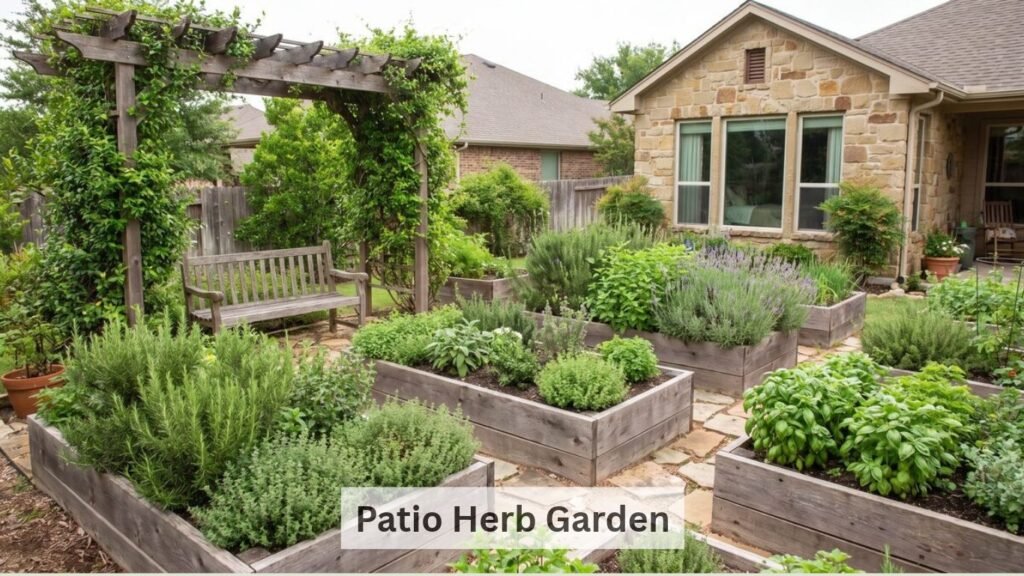
A patio herb garden is a practical and attractive way to grow fresh culinary herbs close to your outdoor cooking or dining area. This garden style combines greenery, natural fragrances, and everyday convenience. Herbs can grow in small pots, raised planters, or vertical containers, making them suitable for patios of almost any size. A well-organized herb garden also adds a charming, natural touch to outdoor spaces.
Best Herbs for a Patio Garden
Growing several culinary herbs provides fresh ingredients while creating an attractive green arrangement.
- Basil: A fragrant herb that grows well in warm, sunny locations.
- Mint: A refreshing herb that grows vigorously and is best kept in separate containers.
- Rosemary: An aromatic herb that prefers sunlight and well-drained soil.
- Thyme: A compact, drought-tolerant herb suitable for sunny patio containers.
- Parsley: A versatile culinary herb that grows well in containers with adequate moisture.
How to Design a Patio Herb Garden
Choose medium-sized pots or a raised wooden planter with proper drainage. Arrange herbs according to their sunlight and watering needs. Place taller herbs toward the back and smaller varieties near the front for easy harvesting. Position the garden close to your kitchen entrance or patio dining area for convenient access.
Patio Herb Garden Maintenance Tips
Water herbs based on their individual requirements rather than following one schedule for every plant. Harvest leaves regularly to encourage bushy growth, especially for basil and mint. Trim overgrown stems and remove damaged foliage. Use well-draining potting mix and avoid excessive fertilizer, which can reduce the flavor intensity of some herbs.
6. Patio Vegetable Garden

A patio vegetable garden is a wonderful way to grow fresh, homegrown produce in a limited outdoor space. You do not need a large backyard to enjoy gardening because many vegetables grow successfully in containers, grow bags, and raised planters. This garden style combines practical food production with attractive greenery, making it suitable for sunny patios and compact outdoor areas.
Best Vegetables for a Patio Garden
Choosing compact and productive vegetables makes patio gardening more manageable and rewarding.
- Cherry Tomatoes: Compact varieties produce flavorful fruits in large containers.
- Lettuce: Fast-growing leafy vegetables suitable for shallow planters.
- Radishes: Quick-growing root vegetables that require relatively little space.
- Peppers: Colorful vegetables that grow well in warm, sunny patio containers.
- Spinach: Nutritious leafy greens that thrive in cooler growing conditions.
How to Design a Patio Vegetable Garden
Place vegetable containers where they receive enough sunlight, typically six to eight hours daily for fruiting crops. Use raised planters, grow bags, or large pots with drainage holes. Arrange taller vegetables behind smaller leafy greens to prevent unnecessary shading. Add stakes or small trellises to support climbing and fruiting plants.
Patio Vegetable Garden Maintenance Tips
Check soil moisture frequently because vegetables grown in containers can dry out quickly. Use nutrient-rich potting mix and fertilize according to each crop’s needs. Remove weeds, damaged leaves, and unhealthy growth regularly. Harvest vegetables when mature to encourage continued productivity and maintain a healthy, attractive patio garden.
7. Patio Raised Bed Garden
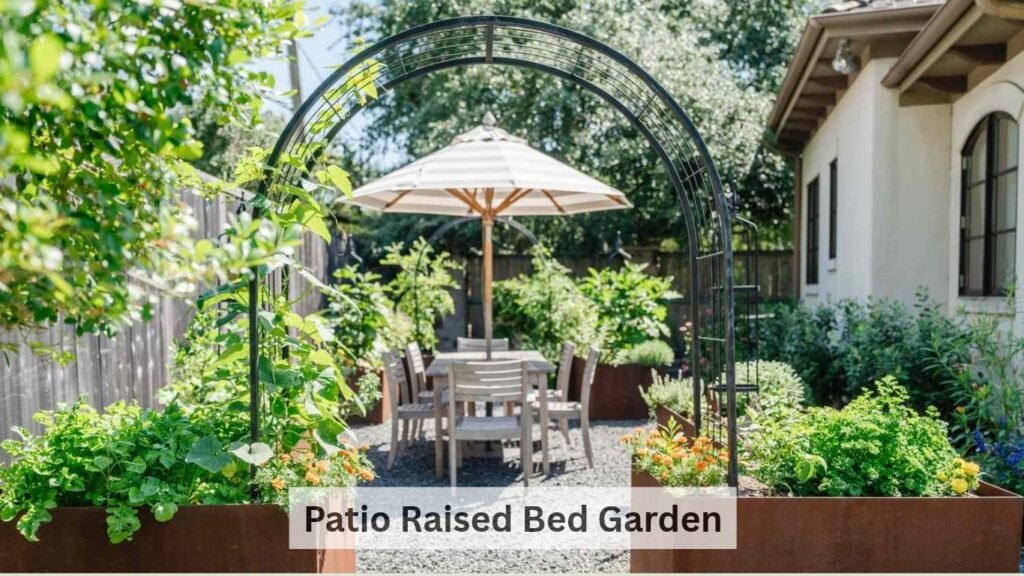
A patio raised bed garden is a practical way to grow flowers, herbs, and vegetables in a well-organized outdoor space. Raised garden beds provide better control over soil quality, drainage, and plant arrangements. They are ideal for patios with concrete, stone, or brick surfaces where traditional gardening is difficult. This garden style also creates an attractive, structured appearance while making planting and maintenance more convenient.
Best Plants for a Patio Raised Bed Garden
Choosing plants with manageable root systems helps create a productive and attractive raised bed garden.
- Lettuce: Fast-growing leafy vegetables suitable for compact raised beds.
- Marigolds: Colorful flowers that brighten garden arrangements.
- Basil: Fragrant herbs that grow beautifully in sunny conditions.
- Spinach: Nutritious leafy greens that thrive in cooler weather.
- Strawberries: Compact fruiting plants that look attractive along raised bed edges.
How to Design a Patio Raised Bed Garden
Choose wooden, metal, or composite raised planters that complement your patio design. Position them where plants receive adequate sunlight. Arrange taller plants toward the back and smaller varieties near the front. Leave enough space between planters for comfortable walking and maintenance. Use lightweight, well-draining growing media and ensure the patio can support the filled beds.
Patio Raised Bed Garden Maintenance Tips
Check soil moisture regularly and water plants according to their needs. Apply mulch to help retain moisture and reduce weed growth. Remove damaged leaves and harvest vegetables when ready. Maintain proper drainage and inspect the raised bed structure periodically to keep your patio garden healthy and attractive.
8. Patio Hanging Basket Garden

A patio hanging basket garden is a beautiful way to decorate outdoor spaces with colorful flowers and trailing greenery. Hanging baskets maximize vertical space while keeping the patio floor open for furniture and walking. This gardening style is particularly suitable for small patios, covered outdoor areas, and pergolas. Carefully arranged hanging baskets create a charming atmosphere and add natural beauty without requiring extensive gardening space.
Best Plants for a Patio Hanging Basket Garden
Selecting trailing and compact flowering plants helps create attractive hanging displays.
- Petunias: Bright flowering plants that produce colorful cascading displays.
- Fuchsias: Elegant hanging flowers that prefer cooler, partially shaded conditions.
- Lobelia: Delicate flowers that create beautiful trailing arrangements.
- Trailing Begonias: Colorful flowering plants suitable for sheltered patios.
- Boston Ferns: Lush foliage plants that thrive in humid, shaded locations.
How to Design a Patio Hanging Basket Garden
Install sturdy hanging hooks beneath a pergola, patio roof, or other suitable support. Arrange baskets at different heights to create visual interest without blocking movement. Combine flowering plants with trailing foliage for a balanced appearance. Choose baskets with proper drainage and use lightweight potting mix to reduce unnecessary weight.
Patio Hanging Basket Garden Maintenance Tips
Water hanging baskets frequently during warm weather because their soil dries quickly. Check moisture levels before watering and allow excess water to drain. Remove faded flowers and trim long stems to maintain an attractive shape. Apply suitable fertilizer during active growth and inspect hanging supports regularly for safety.
9. Patio Tropical Garden
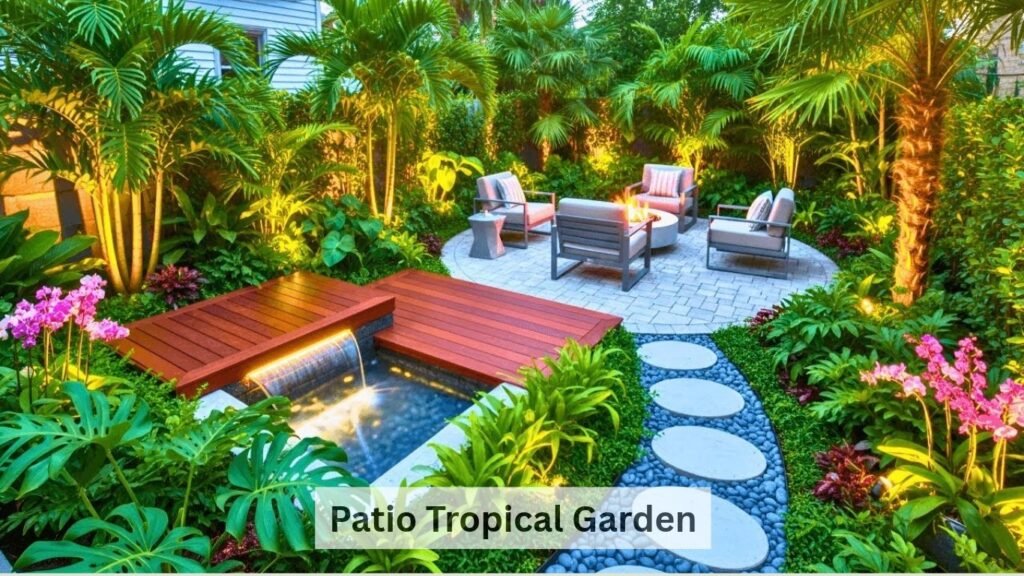
A patio tropical garden creates a lush, vibrant outdoor retreat using plants with large leaves, bold colors, and exotic appearances. This garden style brings a relaxing, vacation-inspired atmosphere to patios of different sizes. Tropical plants can be arranged in decorative containers to create layers of greenery and natural privacy. With thoughtful plant selection, a tropical patio garden can become a beautiful space for outdoor relaxation.
Best Plants for a Patio Tropical Garden
Choosing plants with striking foliage and colorful flowers helps achieve a tropical appearance.
- Bird of Paradise: Dramatic foliage and distinctive flowers that create an exotic atmosphere.
- Elephant Ear: Large, decorative leaves that add bold tropical texture.
- Hibiscus: Colorful flowering shrubs that thrive in warm, sunny locations.
- Banana Plant: Broad green leaves that create a lush tropical appearance.
- Peace Lily: Elegant foliage plants suitable for warm, sheltered, shaded patios.
How to Design a Patio Tropical Garden
Arrange large tropical plants around patio corners and seating areas to create a green backdrop. Use decorative ceramic or terracotta containers to complement the natural setting. Combine tall foliage plants with smaller flowering varieties for a layered appearance. Add wooden furniture, natural stone decorations, and soft outdoor lighting to enhance the tropical atmosphere.
Patio Tropical Garden Maintenance Tips
Keep the soil consistently moist where appropriate without allowing containers to become waterlogged. Provide adequate humidity for moisture-loving plants and protect delicate foliage from strong winds. Remove yellowing leaves regularly and fertilize during active growth. In cooler climates, move cold-sensitive tropical plants indoors before temperatures become damaging.
10. Patio Succulent Garden
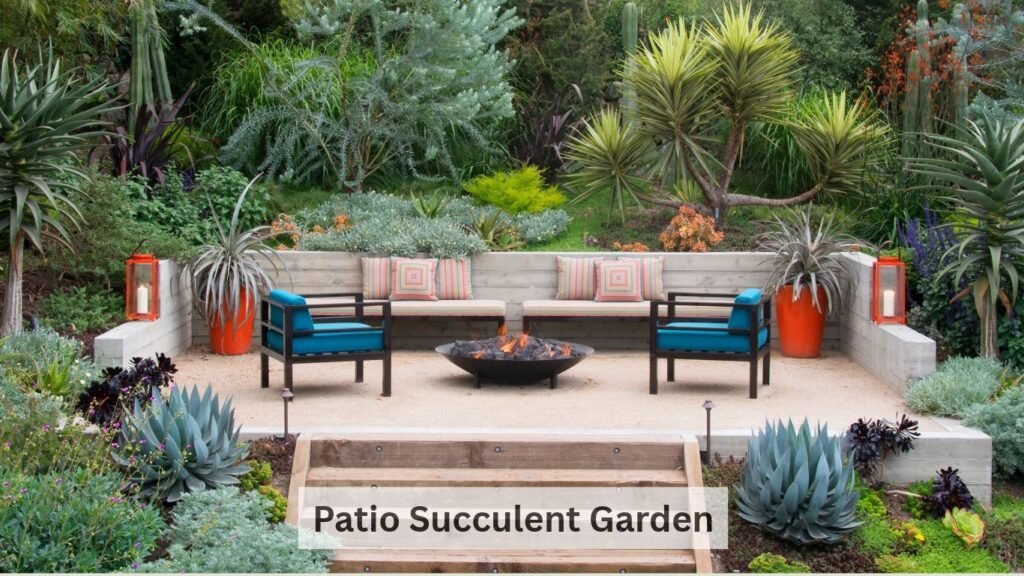
A patio succulent garden is a stylish, low-maintenance option for adding greenery to sunny outdoor spaces. Succulents are known for their thick, water-storing leaves and distinctive shapes, making them excellent choices for decorative containers. This garden style works especially well on modern, minimalist, and small patios. With different colors, textures, and sizes, succulents can create an attractive garden display without requiring frequent watering.
Best Succulents for a Patio Garden
Choosing different succulent varieties helps create a visually interesting and easy-to-maintain arrangement.
- Echeveria: Rosette-shaped succulents with attractive leaf colors.
- Sedum: Compact or trailing succulents suitable for shallow containers.
- Haworthia: Small decorative succulents that prefer bright, indirect light.
- Jade Plant: Thick-leaved succulents that develop an attractive miniature tree appearance.
- Sempervivum: Hardy rosette-forming succulents ideal for outdoor container displays.
How to Design a Patio Succulent Garden
Arrange succulents in shallow ceramic bowls, terracotta pots, or decorative stone planters. Combine different plant heights and leaf textures to create visual contrast. Place larger succulents toward the center and smaller varieties around the edges. Add gravel or decorative pebbles as a finishing layer to create a neat, modern appearance.
Patio Succulent Garden Maintenance Tips
Allow the potting mix to dry appropriately between watering sessions to prevent root rot. Use well-draining succulent soil and containers with drainage holes. Provide sufficient sunlight while protecting sensitive varieties from intense afternoon heat. Remove dead leaves and inspect plants regularly for pests or signs of excessive moisture.
11. Patio Rock Garden

A patio rock garden is a natural-looking garden style that combines decorative stones, gravel, and carefully selected plants. It creates a peaceful outdoor setting with minimal maintenance and a clean, organized appearance. Rock gardens are especially suitable for modern patios, dry climates, and small outdoor spaces. By combining different stone sizes with compact greenery, you can create an attractive garden that complements the surrounding patio design.
Best Plants for a Patio Rock Garden
Selecting compact, drought-tolerant plants helps create a beautiful rock garden with manageable maintenance.
- Sedum: Hardy succulents that grow well in well-drained conditions.
- Creeping Thyme: Low-growing aromatic plants that soften rocky arrangements.
- Sempervivum: Attractive rosette-shaped succulents ideal for rocky displays.
- Dwarf Lavender: Compact flowering plants that add fragrance and color.
- Blue Fescue: Decorative ornamental grass that provides interesting texture.
How to Design a Patio Rock Garden
Choose a sunny patio corner and arrange large decorative stones as the main features. Fill suitable planters or contained planting areas with well-draining growing media and smaller gravel. Position plants between rocks to create a natural appearance. Combine different stone textures and plant heights while keeping the overall arrangement simple and balanced.
Patio Rock Garden Maintenance Tips
Water plants according to their individual needs and avoid excessive moisture around drought-tolerant varieties. Remove fallen leaves and unwanted weeds to maintain a clean appearance. Trim overgrown plants occasionally and replace damaged greenery when necessary. Check drainage regularly, especially after heavy rainfall, to protect plant roots and preserve the garden’s attractive design.
12. Patio Wall Garden
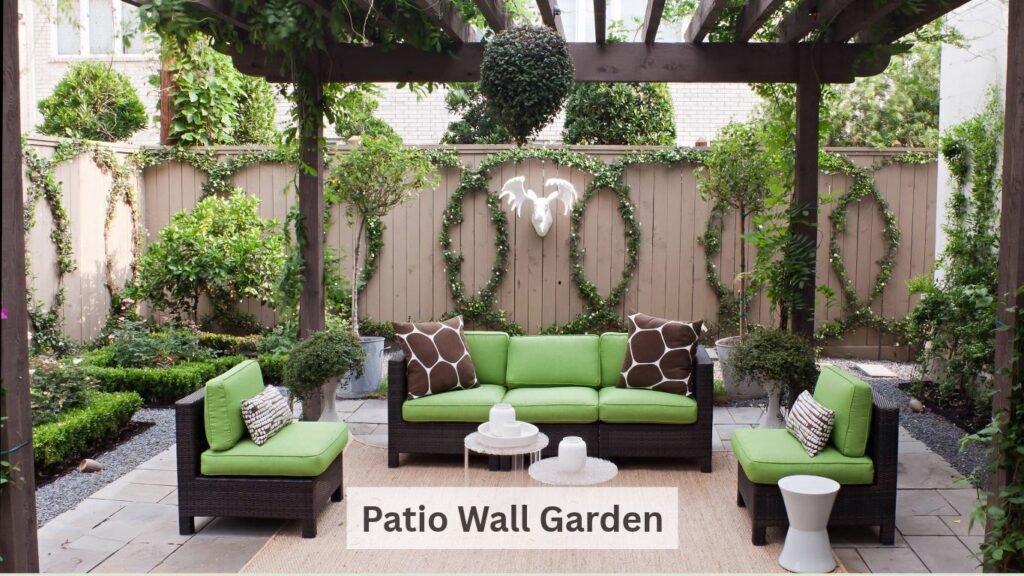
A patio wall garden is a creative way to transform an empty outdoor wall into a beautiful green display. This garden style uses wall-mounted planters, decorative shelves, and hanging containers to grow flowers and foliage plants. It is especially suitable for small patios where floor space is limited. A well-designed wall garden adds natural beauty, improves privacy, and creates a refreshing atmosphere.
Best Plants for a Patio Wall Garden
Choosing compact and trailing plants helps create an attractive wall garden without overcrowding the space.
- Pothos: Trailing foliage plants that create beautiful cascading greenery in sheltered areas.
- Ferns: Lush green plants that thrive in shaded and humid conditions.
- Petunias: Colorful flowering plants suitable for sunny wall planters.
- Creeping Jenny: Attractive trailing plants that soften wall arrangements.
- English Ivy: Climbing greenery that creates a natural decorative appearance.
How to Design a Patio Wall Garden
Install sturdy wall-mounted planters or wooden shelves on a suitable patio wall. Arrange plants at different heights to create a layered appearance. Combine decorative foliage with seasonal flowers to add color and texture. Choose containers that complement your patio furniture and wall color. Ensure the structure supports the weight of watered containers.
Patio Wall Garden Maintenance Tips
Check soil moisture regularly because wall-mounted containers can dry out quickly. Water carefully to prevent staining or damaging nearby surfaces. Trim trailing plants to maintain their shape and remove unhealthy leaves. Inspect mounting brackets periodically and provide suitable fertilizer during the growing season.
13. Patio with Potted Plants

A patio with potted plants is one of the easiest ways to create a beautiful outdoor garden without major landscaping changes. Decorative containers allow you to grow flowers, shrubs, and foliage plants on concrete, brick, or wooden patios. This garden style is flexible, affordable, and suitable for almost any outdoor space. Mixing different plant heights, colors, and container styles creates a welcoming natural environment.
Best Potted Plants for a Patio
Selecting plants with attractive foliage and seasonal flowers helps create a balanced patio arrangement.
- Geraniums: Bright flowering plants that add color to sunny patios.
- Dwarf Boxwood: Compact evergreen shrubs that provide structure.
- Lavender: Fragrant flowering plants suitable for sunny containers.
- Hostas: Decorative foliage plants ideal for shaded patio corners.
- Hydrangeas: Beautiful flowering shrubs that grow well in sufficiently large containers.
How to Design a Patio with Potted Plants
Arrange larger pots around patio corners and smaller containers near seating areas. Combine tall greenery with colorful flowers to create visual interest. Use matching ceramic, terracotta, or concrete planters for a coordinated appearance. Leave enough space between containers for comfortable movement and furniture placement.
Patio Potted Plant Maintenance Tips
Water each plant according to its individual requirements and ensure containers have adequate drainage. Remove faded flowers, damaged leaves, and unnecessary growth regularly. Refresh potting mix when needed and apply appropriate fertilizer during active growth. Rotate containers occasionally for balanced growth and reposition plants according to seasonal sunlight changes.
14. Patio with Climbing Plants

A patio with climbing plants creates a lush, green outdoor space while making excellent use of vertical surfaces. Climbing plants can cover trellises, pergolas, decorative arches, and privacy screens, adding natural beauty and shade. This garden style is perfect for transforming a simple patio into a cozy retreat. Flowering climbers also introduce seasonal colors and fragrances that make outdoor relaxation more enjoyable.
Best Climbing Plants for a Patio
Choosing suitable climbing plants helps create attractive vertical greenery and colorful seasonal displays.
- Clematis: Beautiful flowering vines available in many colors.
- Jasmine: Fragrant climbing plants that enhance outdoor relaxation.
- Climbing Roses: Elegant flowering plants suitable for sturdy trellises.
- Bougainvillea: Vibrant flowering climbers that thrive in warm, sunny climates.
- Honeysuckle: Fragrant vines that attract hummingbirds and other pollinators in suitable regions.
How to Design a Patio with Climbing Plants
Install a sturdy trellis or pergola near your patio seating area. Plant climbing varieties in large containers or suitable garden beds close to their supports. Guide young stems along the structure to encourage even coverage. Combine flowering climbers with decorative foliage plants to create a balanced, natural appearance.
Patio Climbing Plant Maintenance Tips
Water climbing plants according to their growing conditions and provide fertilizer when necessary. Prune excessive growth to maintain an attractive shape and prevent overcrowding. Secure young stems gently to their supports and inspect climbing structures regularly. Remove damaged branches and monitor plants for pests to encourage healthy development.
15. Patio with Garden Trellis
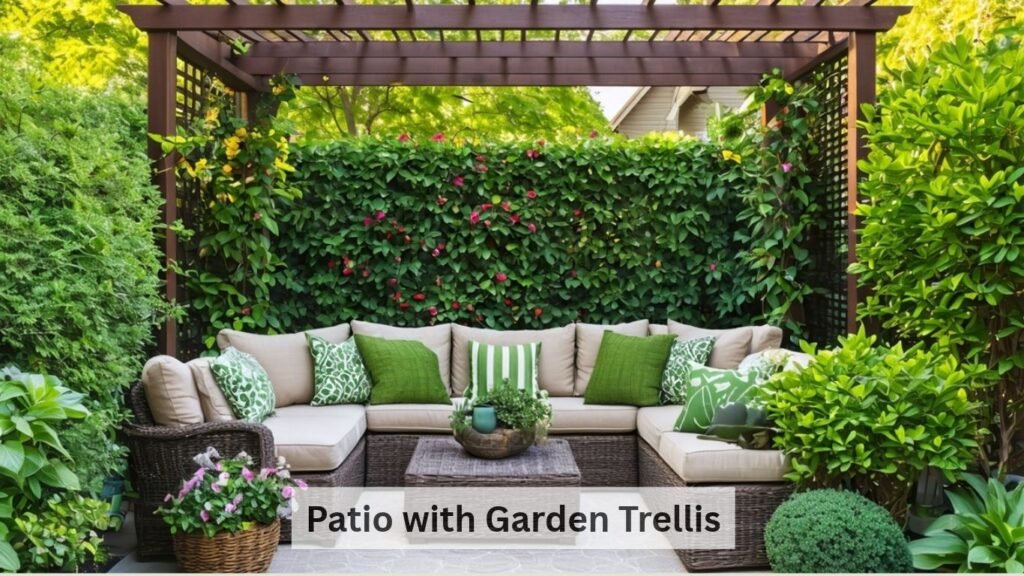
A patio with a garden trellis is a beautiful way to introduce vertical greenery, colorful flowers, and natural privacy into an outdoor space. Trellises provide support for climbing plants while acting as decorative garden features. They are especially useful for compact patios because they allow plants to grow upward rather than spreading across the ground. A well-positioned trellis can also create an attractive backdrop for outdoor furniture.
Best Plants for a Patio Garden Trellis
Selecting flowering and climbing varieties helps transform a simple trellis into an attractive garden feature.
- Clematis: Colorful flowering vines that grow beautifully on trellises.
- Sweet Peas: Fragrant annual climbers suitable for cooler growing seasons.
- Morning Glories: Fast-growing vines with attractive trumpet-shaped flowers.
- Climbing Roses: Elegant flowering plants that create romantic garden displays.
- Star Jasmine: Fragrant evergreen climbers suitable for mild and warm climates.
How to Design a Patio Garden Trellis
Choose a wooden, metal, or decorative lattice trellis that complements your patio design. Position it along a wall, fence, or seating area where plants receive suitable sunlight. Place large planters at the base and guide climbing stems upward. Combine the trellis with decorative pots and outdoor lighting for a welcoming appearance.
Patio Garden Trellis Maintenance Tips
Water plants regularly according to their individual moisture requirements. Tie growing stems loosely to the trellis using soft garden ties. Prune overgrown branches to maintain airflow and an organized appearance. Check the trellis structure periodically and ensure it remains securely anchored, especially during windy weather.
16. Patio with Pergola Garden
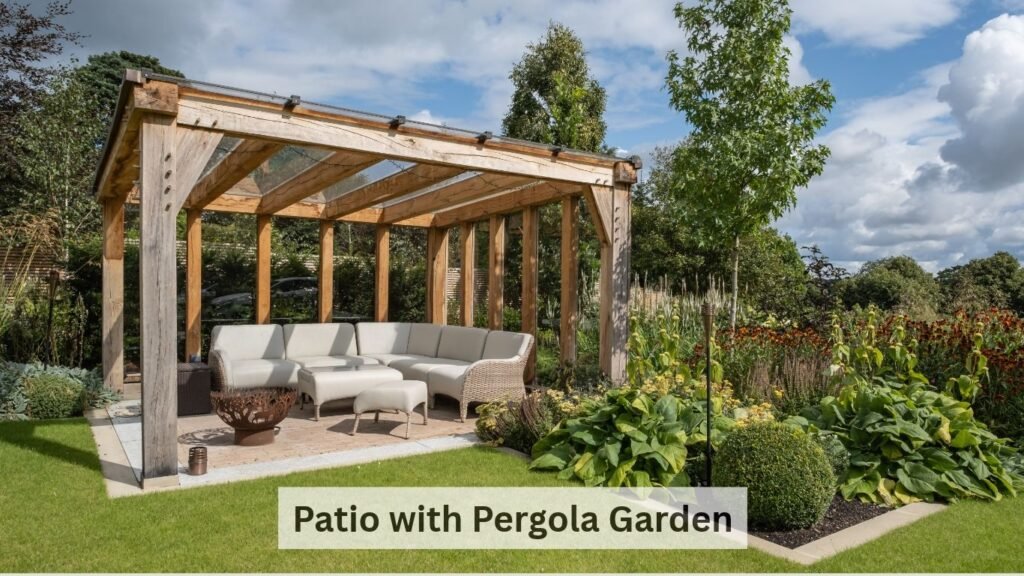
A patio with a pergola garden creates a charming outdoor retreat by combining a decorative overhead structure with lush greenery and colorful flowers. Pergolas provide support for climbing plants while defining comfortable seating or dining areas. This garden style works beautifully in modern, rustic, and traditional patios. With carefully selected plants, a pergola can provide seasonal shade, natural beauty, and a relaxing garden atmosphere.
Best Plants for a Patio Pergola Garden
Choosing attractive climbing plants helps create a lush pergola with flowers, greenery, and natural shade.
- Wisteria: Beautiful flowering vines with cascading clusters of blossoms.
- Climbing Roses: Elegant flowers that create a romantic outdoor atmosphere.
- Grapevines: Productive climbing plants that provide foliage and seasonal fruit.
- Star Jasmine: Fragrant evergreen climbers suitable for warm climates.
- Bougainvillea: Colorful flowering vines that thrive in sunny, warm conditions.
How to Design a Patio Pergola Garden
Install a sturdy pergola over your patio seating or dining area. Plant climbing varieties around the supporting posts and guide their growth along the overhead beams. Arrange decorative containers with smaller flowers around the base. Add comfortable outdoor furniture and hanging string lights to create a cozy evening atmosphere.
Patio Pergola Garden Maintenance Tips
Water climbing plants according to their needs and apply suitable fertilizer during active growth. Prune vines regularly to control excessive growth and maintain airflow. Remove dead branches and fallen leaves to keep the patio clean. Inspect the pergola structure periodically, especially when growing heavy vines such as mature wisteria, to ensure proper support.
17. Patio with Flower Borders
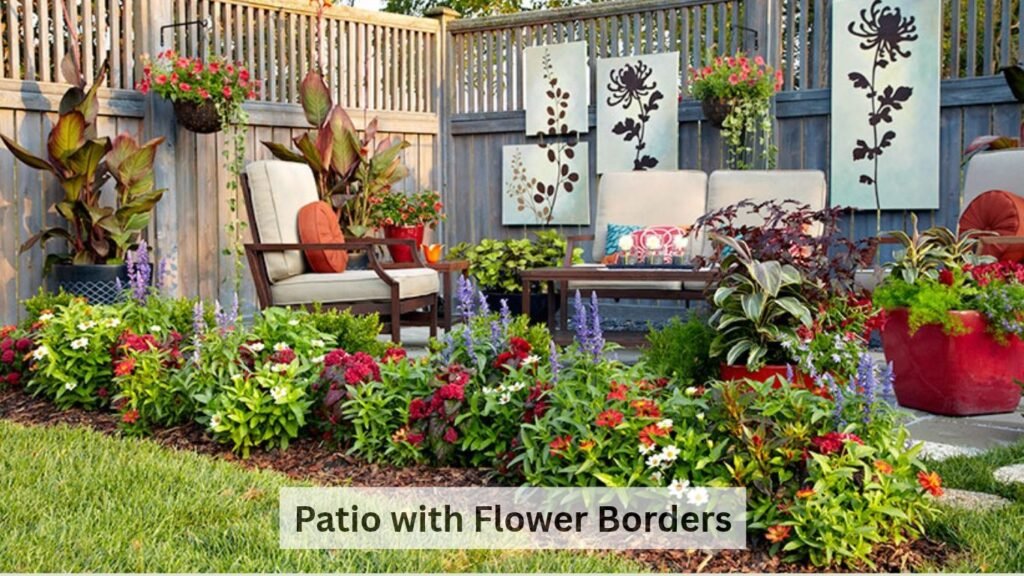
A patio with flower borders is a beautiful way to add vibrant colors and natural charm to an outdoor living space. Flower borders create attractive boundaries around patios while blending hard surfaces with surrounding greenery. This garden style works wonderfully for modern, traditional, and cottage-inspired patios. By combining colorful flowers with decorative foliage, you can create a welcoming garden that enhances the entire outdoor atmosphere.
Best Flowers for Patio Garden Borders
Choosing flowers with different heights and blooming seasons helps create attractive borders throughout the growing season.
- Marigolds: Bright yellow and orange flowers that add cheerful seasonal color.
- Lavender: Fragrant flowering plants that create soft purple borders.
- Petunias: Colorful flowers suitable for sunny patio edges.
- Salvia: Attractive flowering plants that add height and attract pollinators.
- Dwarf Roses: Compact flowering shrubs that create elegant garden borders.
How to Design a Patio with Flower Borders
Start by creating narrow planting beds along the patio edges or using rectangular planters. Arrange taller flowers toward the back and smaller plants near the front. Combine complementary flower colors for a balanced appearance. Add decorative stones or brick edging to separate flower beds from patio surfaces.
Patio Flower Border Maintenance Tips
Water flowers according to their individual needs and ensure the soil drains properly. Remove faded blooms regularly to encourage flowering where appropriate. Trim overgrown plants to maintain neat borders. Apply mulch to retain moisture and reduce weeds. Replace seasonal flowers when necessary to keep the garden colorful.
18. Patio with Privacy Plants

A patio with privacy plants offers a natural and attractive way to create a secluded outdoor retreat. Instead of installing solid fences or walls, you can use tall shrubs, ornamental grasses, and climbing greenery to provide screening. This garden style adds beauty while making seating and dining areas feel more comfortable. Privacy plants also soften hard patio surfaces and create a peaceful atmosphere.
Best Privacy Plants for a Patio Garden
Choosing dense-growing plants helps create natural screening while maintaining an attractive garden appearance.
- Bamboo: Tall, fast-growing plants that provide effective screening when grown in suitable containers.
- Arborvitae: Evergreen shrubs that create dense green privacy barriers.
- Clumping Ornamental Grasses: Decorative plants that provide texture and partial privacy.
- Boxwood: Compact evergreen shrubs suitable for structured privacy arrangements.
- Star Jasmine: Climbing plants that create fragrant, leafy screens on trellises.
How to Design a Patio with Privacy Plants
Position tall planters along exposed patio boundaries or near seating areas requiring additional privacy. Combine evergreen shrubs with ornamental grasses for a layered appearance. Install trellises to support climbing plants where space is limited. Choose containers and plant heights that complement your existing patio furniture and garden design.
Patio Privacy Plant Maintenance Tips
Water plants according to their needs and provide adequate drainage. Trim shrubs and climbing plants regularly to maintain their intended shape. Apply suitable fertilizer during active growth and remove damaged foliage. Monitor root growth in containers and repot plants when necessary. Keep tall planters stable during windy weather.
19. Patio with a Water Fountain
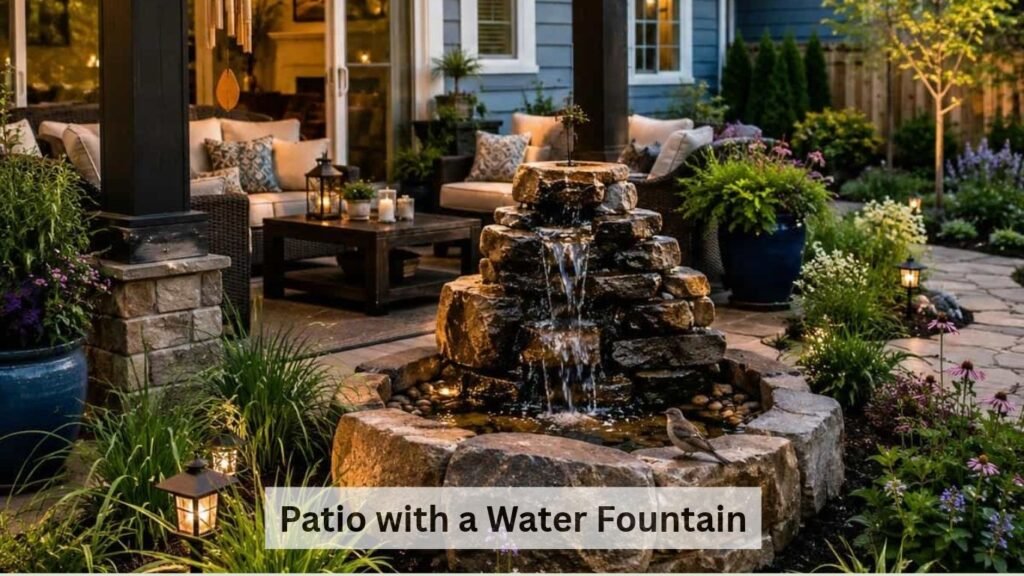
A patio with a water fountain creates a peaceful and elegant outdoor environment by combining flowing water with decorative greenery. The gentle sound of moving water can make a patio feel more relaxing and inviting. Water fountains work beautifully in small courtyards, backyard patios, and garden seating areas. With carefully arranged plants and natural materials, a simple fountain can become an attractive focal point.
Best Plants for a Patio Water Fountain Garden
Choosing moisture-tolerant and decorative plants helps create a lush appearance around a garden fountain.
- Boston Ferns: Attractive foliage plants that thrive in humid, shaded environments.
- Hostas: Broad-leaved plants that add greenery around shaded fountains.
- Japanese Forest Grass: Graceful ornamental grass suitable for partially shaded settings.
- Impatiens: Colorful flowering plants that brighten shaded fountain areas.
- Peace Lilies: Elegant foliage plants suitable for warm, sheltered patios.
How to Design a Patio with a Water Fountain
Choose a compact fountain that matches your patio size and decorating style. Position it near a seating area where the sound of flowing water can be enjoyed. Arrange decorative stones, potted greenery, and flowering plants around the fountain. Use natural materials such as stone or ceramic to create a balanced garden appearance.
Patio Water Fountain Maintenance Tips
Clean the fountain regularly to prevent algae buildup and maintain proper water circulation. Check water levels frequently, especially during hot weather. Remove fallen leaves and debris from the fountain basin. Keep electrical connections protected from moisture and use outdoor-rated equipment. Maintain nearby plants to prevent excessive foliage from entering the water.
20. Patio with Garden Lighting
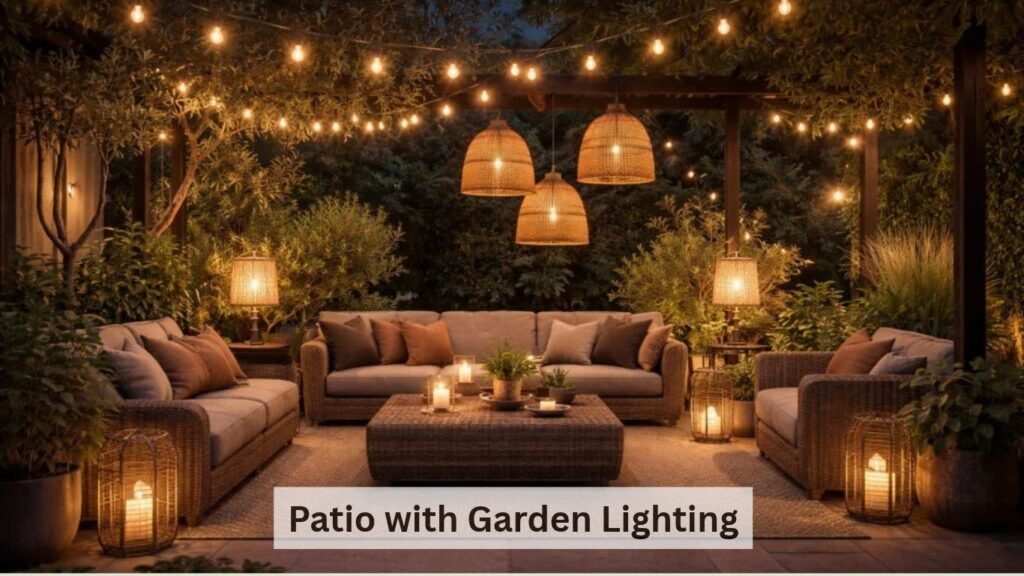
A patio with garden lighting creates a warm and welcoming outdoor space that remains attractive after sunset. Decorative lighting highlights plants, garden features, and pathways while improving visibility around seating areas. This garden style works beautifully for small patios, modern outdoor spaces, and cozy backyard retreats. Combining soft lighting with colorful flowers and greenery creates a relaxing atmosphere for evening gatherings.
Best Plants for a Patio Garden with Lighting
Choosing plants with interesting shapes and textures helps create attractive displays under soft outdoor lighting.
- Ornamental Grasses: Graceful foliage that creates beautiful shadows when illuminated.
- Lavender: Fragrant flowering plants that look attractive beside pathways.
- Japanese Maple: Decorative trees with colorful leaves that create elegant focal points.
- Hostas: Broad foliage plants that reflect soft garden lighting.
- Climbing Jasmine: Fragrant flowering vines that complement illuminated trellises.
How to Design a Patio with Garden Lighting
Install warm white string lights above patio seating areas or along pergola beams. Place small solar lights beside garden containers and pathways. Use subtle spotlights to highlight decorative trees, flowering plants, or water features. Combine different lighting heights to create depth without making the patio overly bright.
Patio Garden Lighting Maintenance Tips
Clean light fixtures regularly to maintain brightness and appearance. Check outdoor electrical connections for damage and ensure lights are rated for outdoor use. Trim plants that block lighting fixtures or create unwanted shadows. Replace damaged bulbs and maintain solar panels for reliable performance. Avoid excessive lighting that could disturb wildlife or neighboring homes.
21. Patio with a Small Tree

A patio with a small tree is a wonderful way to introduce height, natural beauty, and seasonal interest into an outdoor garden. Compact trees can provide gentle shade, colorful foliage, and an attractive focal point without overwhelming the patio. This garden style is particularly suitable for courtyard gardens, small backyard patios, and modern outdoor living areas. With the right tree selection, even a limited space can feel greener and more inviting.
Best Small Trees for a Patio Garden
Choosing compact or slow-growing trees helps maintain an attractive garden without excessive maintenance.
- Japanese Maple: Elegant ornamental trees with colorful seasonal foliage.
- Dwarf Olive Tree: Attractive trees with silvery-green leaves suitable for sunny patios.
- Dwarf Citrus Tree: Compact fruit trees that add greenery and fragrant blossoms.
- Dwarf Crape Myrtle: Small flowering trees that produce colorful summer blooms.
- Dwarf Magnolia: Decorative trees with beautiful flowers and attractive foliage.
How to Design a Patio with a Small Tree
Place a small tree in a large, sturdy planter near a patio corner or seating area. Choose a container that complements the surrounding furniture and garden decorations. Arrange smaller flowering plants around the tree to create a layered appearance. Ensure enough space for the tree’s mature height and canopy spread.
Patio Small Tree Maintenance Tips
Water the tree deeply when needed and ensure the container has adequate drainage. Use suitable potting mix and fertilize during active growth. Prune damaged or crossing branches to maintain a healthy shape. Inspect roots periodically and move the tree into a larger container when necessary. Protect cold-sensitive varieties during winter.
22. Patio with a Green Wall

A patio with a green wall is a modern and space-saving way to introduce lush greenery into an outdoor living area. Green walls use vertical planting systems to cover empty walls with decorative foliage, flowers, and small plants. This garden style is especially suitable for compact patios, urban courtyards, and contemporary outdoor spaces. A well-designed green wall creates a refreshing natural backdrop while keeping the patio floor open.
Best Plants for a Patio Green Wall
Choosing compact plants with attractive foliage helps create a beautiful and manageable green wall.
- Ferns: Lush foliage plants that thrive in shaded and humid environments.
- Pothos: Trailing plants that create cascading greenery in warm, sheltered locations.
- Creeping Jenny: Attractive trailing plants that soften vertical arrangements.
- Coleus: Colorful foliage plants that add vibrant patterns and textures.
- Sedum: Low-maintenance succulents suitable for sunny, well-drained green walls.
How to Design a Patio with a Green Wall
Install a sturdy vertical planting system against a suitable patio wall. Arrange plants according to their sunlight and watering requirements. Combine trailing greenery with colorful foliage to create an attractive layered appearance. Choose a structure with proper drainage and waterproof backing to protect the wall from moisture damage.
Patio Green Wall Maintenance Tips
Check soil moisture regularly and water plants according to their needs. Trim excessive growth to maintain a neat appearance. Remove damaged leaves and replace unhealthy plants when necessary. Inspect irrigation systems, drainage channels, and wall supports periodically to keep the green wall healthy and secure.
23. Patio with a Gravel Garden

A patio with a gravel garden is a simple and attractive landscaping option that combines decorative stones with carefully selected plants. Gravel gardens create a clean, natural appearance while reducing the need for traditional lawn maintenance. This garden style works beautifully with modern, rustic, and Mediterranean-inspired patios. Different gravel colors, textures, and plant arrangements can transform an ordinary patio corner into a peaceful outdoor retreat.
Best Plants for a Patio Gravel Garden
Selecting drought-tolerant plants helps create an attractive gravel garden with manageable watering requirements.
- Lavender: Fragrant flowering plants that thrive in sunny, well-drained soil.
- Sedum: Hardy succulents that add interesting shapes and textures.
- Rosemary: Aromatic evergreen herbs suitable for warm, sunny gardens.
- Blue Fescue: Compact ornamental grass with attractive blue-green foliage.
- Creeping Thyme: Low-growing flowering plants that soften gravel edges.
How to Design a Patio Gravel Garden
Choose a sunny patio corner or narrow planting area along the edges. Prepare a well-draining planting bed and arrange decorative stones around the plants. Combine larger rocks with smaller gravel to create natural visual contrast. Position taller plants toward the back and smaller ground covers near the front for a balanced appearance.
Patio Gravel Garden Maintenance Tips
Remove weeds and fallen leaves regularly to maintain a clean appearance. Water newly established plants until their roots develop, then adjust watering according to their needs. Trim overgrown greenery and replace damaged plants when necessary. Keep gravel away from plant crowns and replenish displaced stones occasionally to maintain the garden design.
24. Patio with a Corner Garden

A patio with a corner garden is a clever way to transform an unused outdoor corner into a beautiful green feature. This garden style uses compact shrubs, colorful flowers, and decorative containers to create an attractive planting arrangement. Corner gardens are especially useful for small patios because they add natural beauty without reducing valuable seating or walking space. With thoughtful planning, an empty corner can become a welcoming garden focal point.
Best Plants for a Patio Corner Garden
Choosing plants with different heights and foliage textures helps create an attractive, layered corner arrangement.
- Hydrangeas: Beautiful flowering shrubs that add seasonal color.
- Hostas: Decorative foliage plants suitable for shaded patio corners.
- Dwarf Boxwood: Compact evergreen shrubs that provide structure.
- Begonias: Colorful flowers that brighten partially shaded areas.
- Japanese Maple: Small ornamental trees that create an elegant focal point.
How to Design a Patio Corner Garden
Start by positioning a tall plant or small ornamental tree at the back of the corner. Arrange medium-sized shrubs and colorful flowers around the base. Use decorative containers or a small raised garden bed to define the planting area. Add natural stones, garden lanterns, or simple ornaments to enhance the overall appearance.
Patio Corner Garden Maintenance Tips
Water plants according to their individual requirements and ensure containers have proper drainage. Trim overgrown branches to prevent overcrowding. Remove faded flowers and damaged foliage regularly. Check sunlight conditions throughout the year and reposition containers when necessary to maintain healthy growth and an attractive garden display.
25. Patio with a Cozy Garden Seating Area

A patio with a cozy garden seating area combines comfortable outdoor furniture with lush greenery and colorful flowers. This garden style creates a relaxing space for reading, enjoying coffee, or spending time with family and friends. Carefully arranged plants help define the seating area while adding natural beauty and privacy. It works wonderfully for small backyard patios, courtyard gardens, and larger outdoor living spaces.
Best Plants for a Cozy Patio Garden
Selecting attractive and fragrant plants helps create a peaceful, inviting garden atmosphere.
- Lavender: Fragrant purple flowers that add color and a relaxing scent.
- Jasmine: Beautiful flowering plants that produce a pleasant fragrance.
- Hydrangeas: Colorful flowering shrubs that create lush garden surroundings.
- Ferns: Soft green foliage that adds texture to shaded seating areas.
- Dwarf Roses: Compact flowering plants that bring elegance and seasonal color.
How to Design a Cozy Patio Garden Seating Area
Choose comfortable outdoor chairs, a small sofa, or a compact dining set as the main feature. Arrange potted flowers and greenery around the seating area to create a natural enclosure. Add outdoor cushions, decorative rugs, and warm string lights for a welcoming atmosphere. Use taller plants near patio boundaries to provide additional privacy.
Cozy Patio Garden Maintenance Tips
Water plants regularly according to their specific needs and remove faded flowers to maintain a fresh appearance. Clean outdoor furniture and cushions periodically to prevent dirt buildup. Trim surrounding greenery to keep pathways open and seating areas comfortable. Inspect decorative lights and planters regularly to maintain a safe, attractive outdoor environment.
FAQs
1. What Are the Best Plants for a Patio Garden?
Some of the best patio garden plants include lavender, geraniums, petunias, ferns, hostas, succulents, and compact ornamental shrubs. Choose plants based on your patio’s sunlight, available space, and local climate.
2. How Can I Make a Small Patio Look Like a Garden?
Use vertical planters, hanging baskets, decorative pots, and compact flowering plants to maximize greenery. Arrange plants at different heights and add a small seating area to create a cozy garden atmosphere.
3. What Is the Cheapest Way to Create a Patio Garden?
Start with inexpensive containers, recycled planters, and easy-to-grow plants. Growing flowers and herbs from seeds or cuttings can reduce costs. Simple gravel decorations and repurposed wooden shelves also make affordable garden features.
4. How Do I Arrange Plants on a Patio?
Place taller plants near walls or corners and smaller flowers toward the front. Group containers with similar watering and sunlight requirements together. Leave enough walking space and combine different foliage textures for a balanced appearance.
5. How Do I Maintain a Patio Garden Year-Round?
Choose plants suited to your local climate and seasonal temperatures. Water according to plant needs, remove damaged foliage, and provide suitable fertilizer during active growth. Protect sensitive plants during extreme weather and replace seasonal flowers when necessary.